December 18, 2025
Architectural drafting services represent a crucial component within the construction and design industries. These services encompass the preparation of technical drawings and plans used by architects, engineers, and construction professionals. Through detailed and precise drafts, these experts provide the foundational blueprint for all subsequent construction activities. The significance of architectural drafting cannot be overstated, as it ensures the effective translation of conceptual designs into reality. As the industry evolves, the demand for professional drafting services continues to grow, driving advancements in technology and methodology.
Architectural Drafting Basics
Definition and Purpose
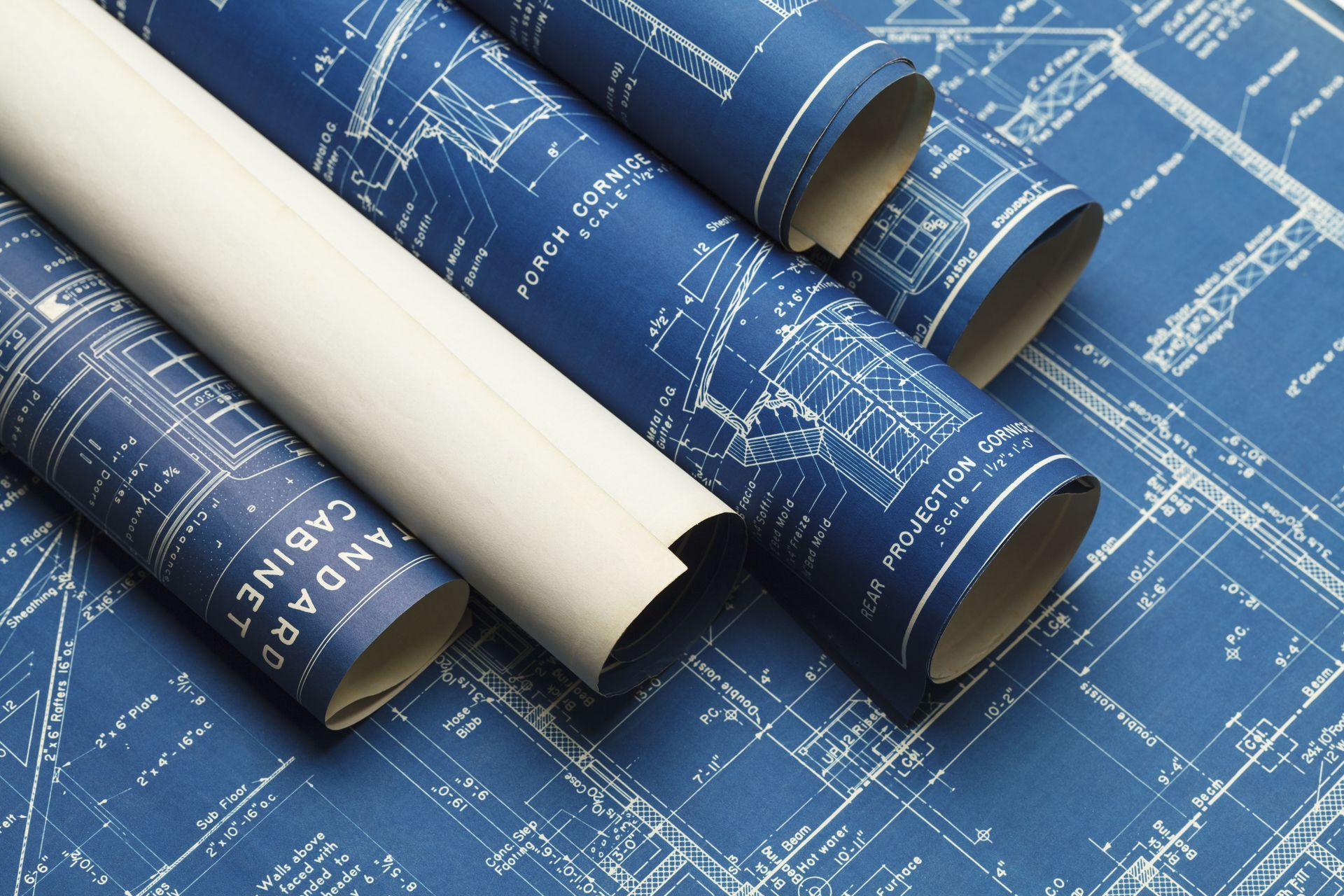
Architectural drafting is the process of creating detailed technical drawings that represent the design, dimensions, and specifications of buildings and structures. It serves as a critical communication tool among professionals in the architecture, engineering, and construction fields. The primary purpose of these services is to provide a clear and precise visual representation of a building's design, thereby minimizing errors during the construction phase. Drafting ensures that every component, from the foundation to the roof, is meticulously planned and documented. Ultimately, architectural drafting acts as the blueprint for transforming architectural designs into functional structures.
The Evolution of Drafting Techniques
Historically, architectural drafting services relied heavily on hand-drawn blueprints, which required significant time and skill. With technological advancements, this manual process has evolved to include Computer-Aided Design (CAD) systems, revolutionizing the way drafts are created. CAD systems allow for greater precision, efficiency, and ease of sharing and modifying plans. The next step in this evolution is the adoption of Building Information Modeling (BIM), which adds a layer of detail and collaboration. These advancements have enhanced the accuracy and quality of architectural drafts, ensuring better project outcomes.
Key Components of Architectural Drafting
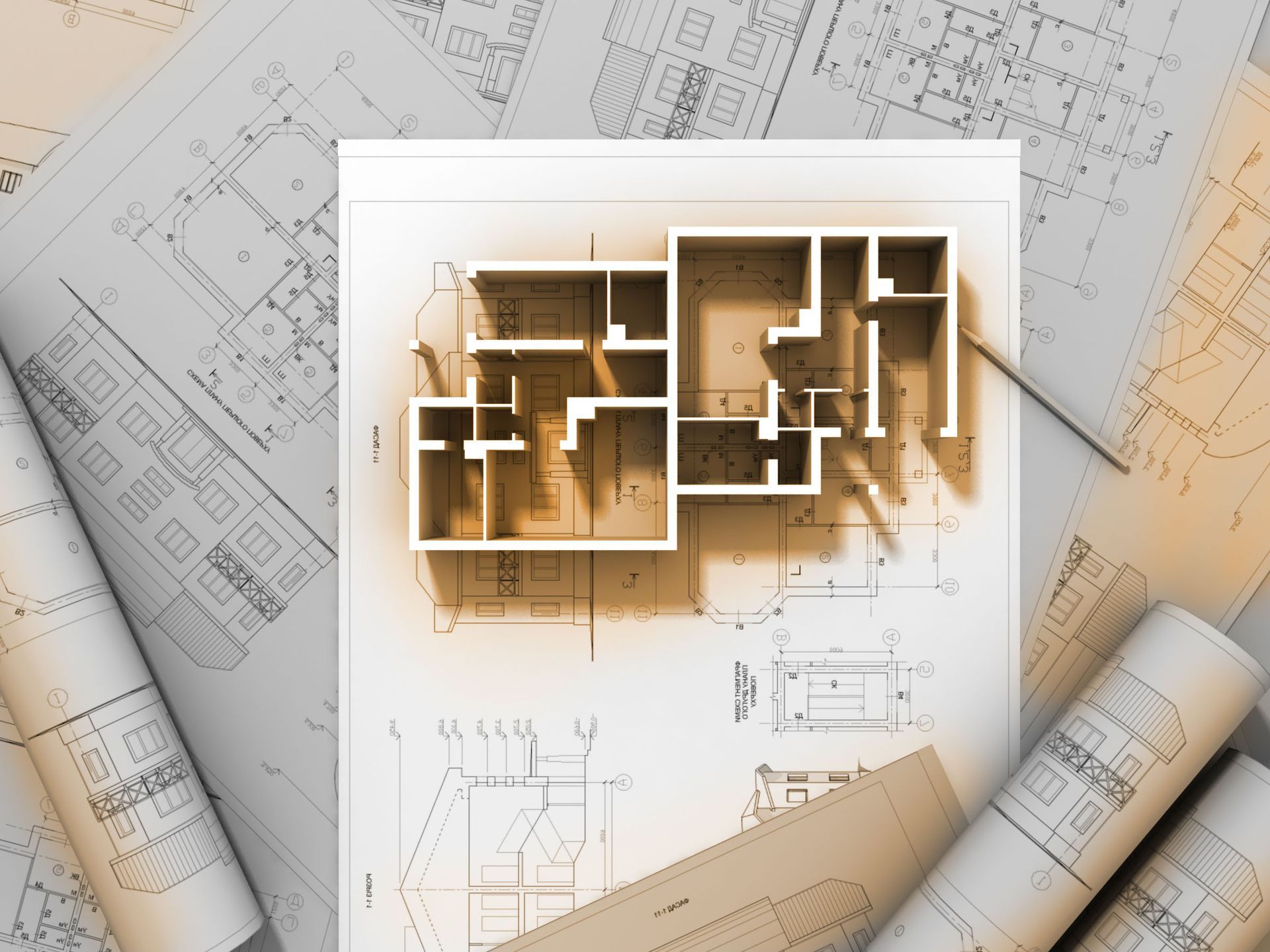
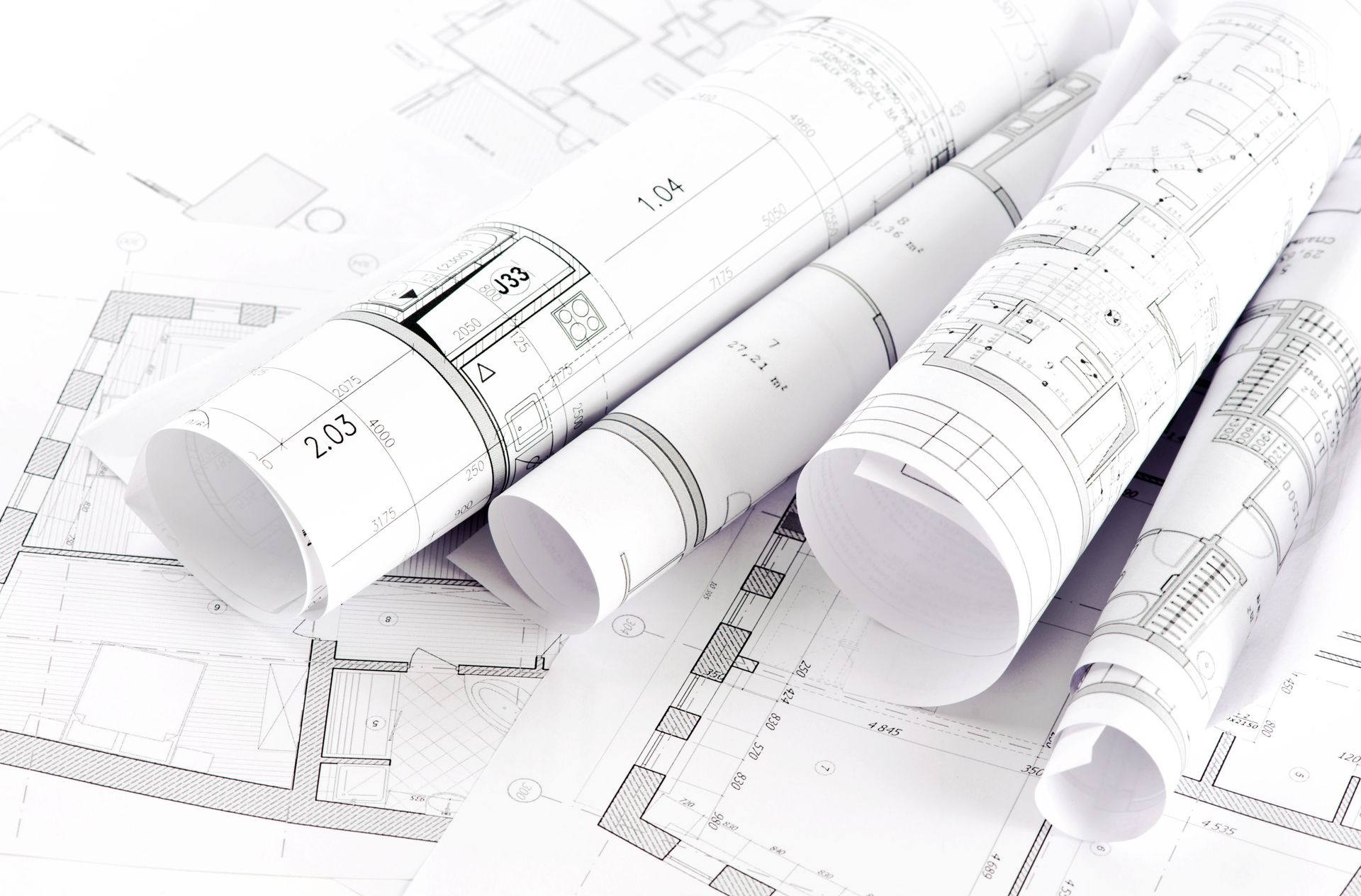
An architectural draft is composed of various elements that contribute to a comprehensive representation of the design. These components typically include floor plans, elevations, sections, and detailed construction notes. Floor plans provide a bird's eye view of the building's layout, while elevations illustrate the building's external appearance. Sections offer cross-sectional views that highlight internal features and structural elements. Additionally, drafts may contain detailed notes describing materials, finishes, and construction methods. Together, these components form a complete and precise guide for construction professionals to follow.
Roles and Responsibilities of Draftsmen
Professional architectural drafting services play a critical role in the architectural drafting process, undertaking multiple responsibilities to ensure successful project execution. They are responsible for interpreting and translating the design concepts envisioned by architects into technical drawings. Draftsmen must ensure that all aspects of the design are accurately reflected, including measurements, materials, and construction methods. Their expertise in drafting software and industry standards is essential for producing high-quality results. Additionally, draftsmen collaborate with other stakeholders to address any design challenges or ambiguities, ensuring alignment across all project facets.
Benefits of Hiring Professional Drafting Services
Precision and Accuracy
Professional drafting services deliver unparalleled precision and accuracy, ensuring that every element of a design is meticulously detailed. Expert draftsmen are equipped with advanced knowledge and tools to create highly accurate plans that minimize errors and discrepancies. This precision is crucial in preventing costly construction delays and rework caused by incorrect measurements or design flaws. By investing in professional services, construction projects can achieve the highest quality standards and ensure seamless execution. The global architectural services market benefits significantly from the reliability and accuracy of professional drafting services.
Time Efficiency
Furthermore, time efficiency is another significant benefit of utilizing professional drafting services. Experienced draftsmen apply their expertise to expedite the drafting process, enabling projects to progress swiftly from design to construction. The adoption of sophisticated drafting software, such as CAD and BIM, further enhances efficiency by streamlining workflows and facilitating quick revisions. This expertise is particularly valuable in fast-paced construction environments where project timelines are critical.
Cost-Effectiveness
Engaging professional drafting services is a cost-effective strategy that ensures project success while minimizing financial risks. Although the initial cost may be higher than in-house drafting, the long-term savings from reduced errors and rework are substantial. Accurate and precise drafts prevent costly material wastage and construction setbacks, ultimately safeguarding a project's budget. Additionally, professionals ensure adherence to building codes and standards, preventing potential legal issues and fines. By investing in professional expertise at the outset, construction projects can achieve optimal financial outcomes and return on investment.
Compliance with Regulations
Professional architectural drafting services play a vital role in ensuring compliance with building codes and regulations. Draftsmen possess extensive knowledge of local laws and industry standards, enabling them to create designs that meet all requirements. This compliance is crucial in avoiding legal complications and ensuring the safety and integrity of the constructed building. Additionally, draftsmen stay abreast of evolving regulations to adapt designs accordingly, maintaining conformity throughout the project lifecycle. By entrusting compliance to experts, stakeholders can confidently progress with their projects without fear of regulatory setbacks.
The Impact of Technology on Architectural Drafting
Introduction to CAD and BIM
Computer-Aided Design (CAD) and Building Information Modeling (BIM) have revolutionized the field of architectural drafting, offering advanced capabilities for creating detailed and accurate plans. CAD provides powerful tools for generating precise two-dimensional drawings, streamlining the drafting process, and minimizing errors. BIM takes this a step further by adding a three-dimensional approach that integrates project data and enhances visualization. These technologies enable draftsmen to create comprehensive models that accurately represent the building's design and functionality.
Software Innovations and Tools
The advent of innovative drafting software has transformed the abilities of architects and draftsmen, offering a range of tools for enhanced design and execution. The latest software provides powerful platforms for creating intricate and detailed drafts efficiently. These tools support automated processes, real-time collaboration, and accurate modeling, facilitating seamless communication among project stakeholders. With these advancements, draftsmen can explore complex designs, conduct detailed analyses, and predict potential construction challenges.
Integration With 3D Modeling
The integration of architectural drafting with 3D modeling has transformed the way designs are conceptualized and realized. 3D modeling allows for a more immersive visualization of designs, enabling stakeholders to explore projects from all angles. This integration enhances collaboration among architects, engineers, and builders, ensuring that all parties have a clear understanding of the design intent. Additionally, 3D modeling facilitates accurate material estimation and clash detection, reducing the risk of costly construction errors.
Collaboration Through Technology
Technological advancements have dramatically improved collaboration in architectural drafting, fostering greater communication among project stakeholders. Collaborative platforms and cloud-based tools enable real-time sharing and modification of drafts, ensuring that all parties have access to the latest version of the design. This transparency facilitates efficient feedback loops, accelerating decision-making and enhancing project coordination. By improving collaboration, technology enhances project outcomes and supports the industry's growth trajectory, as evidenced by the market's projected CAGR of 4.9% from 2024 to 2030, according to Grand View Research.
Architectural drafting services are essential to the successful realization of construction projects. With the advent of advanced technologies like CAD and BIM, these services have become more precise and efficient, helping to streamline the design process. By hiring experts in architectural drafting services, you can ensure that your project is both cost-effective and compliant with all necessary regulations. If you have any questions or would like more information, please don't hesitate to reach out. Contact EFDesigns Architectural Support Specialists today to get started with our architectural services.